
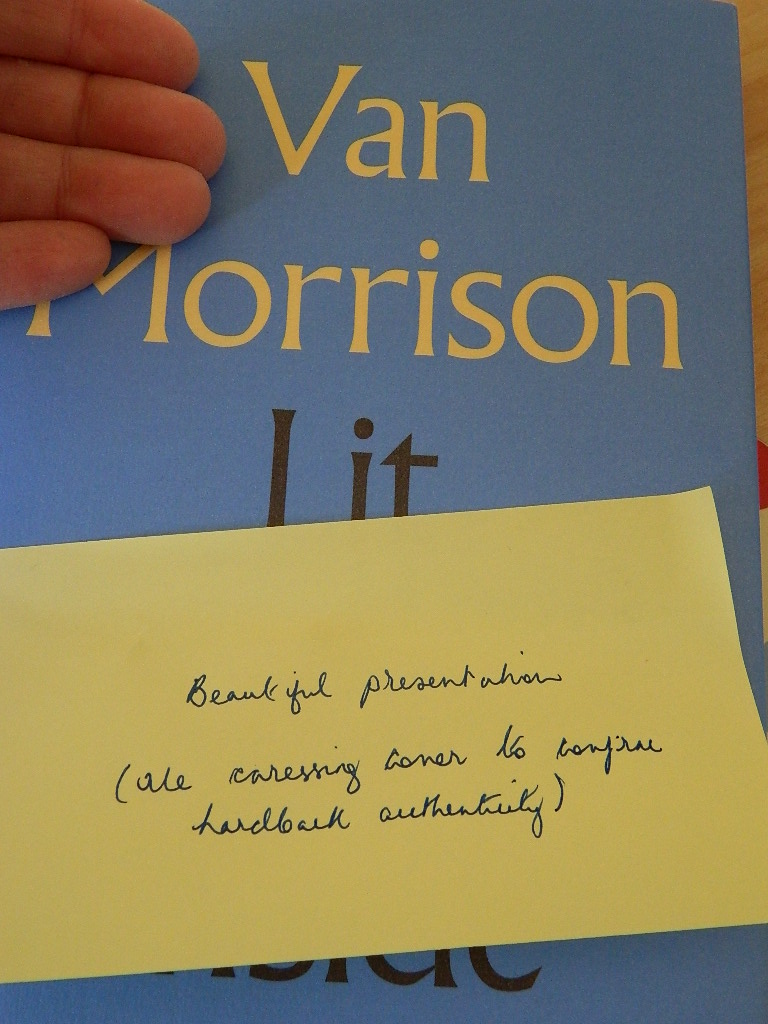

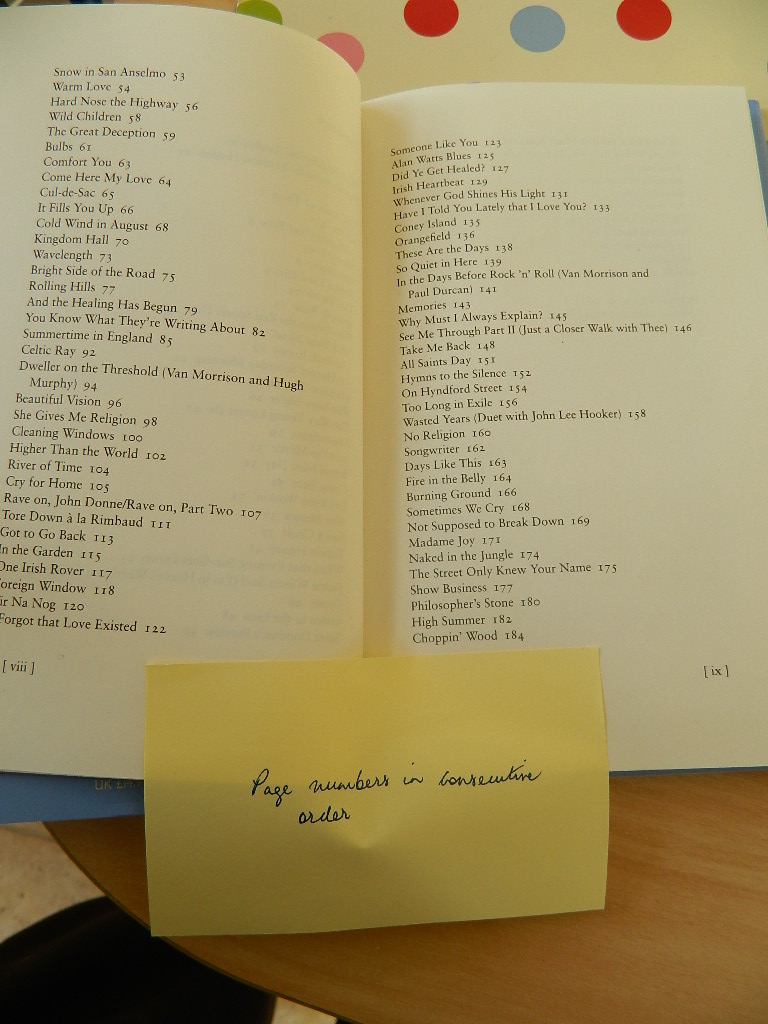

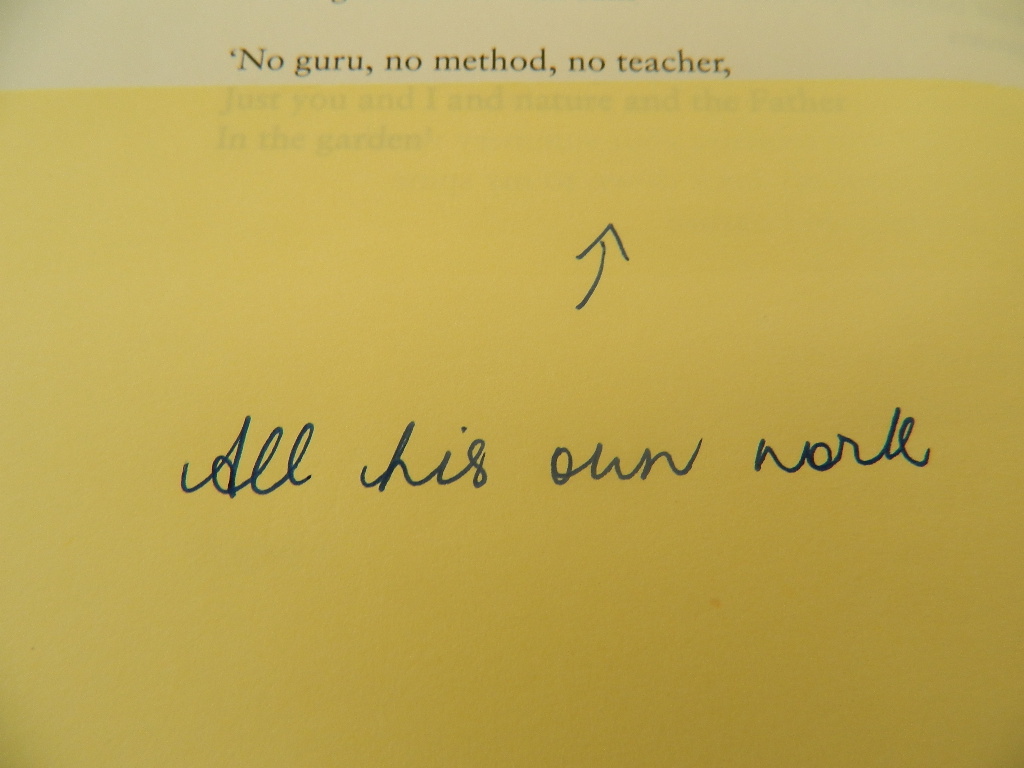


Time to crack open the Football Special. Word has reached me here at the dungeon that the original punk angel herself, Patti Smith, will play Kilmainham in Dublin this June. Not only that, it’ll be a run through of her enduring debut album, Horses.
Remember those spooky pictures of J.C. and his Sacred Heart appearing as a flickering red torch shoved under his chin like he was regaling the apostles with some top ghost stories? A relic from a time when it was essential armour of any self-respecting household defending itself from someone looking in or looking down doubting its inhabitants were anything but good stock. Well, we didn’t have one, so I would see how far the gaze from a singer on an album cover could follow me round the room instead. Album covers adorned with secular Gods presiding over standards of household rebelliousness and cultural credibility.
One such cover that made a lasting impression was Cliff Richard this slender framed dame with her vest on inside out. One has to join the rebellion somewhere. And she probably went out without a coat. By the way, wearing your Father’s suit to demonstrably prove your devotion to Talking Heads doesn’t make you rebellious. It makes you a plonker. And I should know. But I digress.

She should have some good luck for that, with any luck.
So, it was Patti Smith Group’s Easter LP that paved the way towards impenetrable poetry I pretended to understand and an introduction to celebrated androgyny and all its corresponding mysteries I hadn’t the vocabulary to share but intuited somehow. Much like the way I used to well-up to the litany of Phil Collins’s weepy routines without ever having had my heart tampered with In Real Life by then. These mysteries orbit the instincts from the time you’re a nipper.
As for Horses, the cover will never look the same after reading her memoir Just Kids, which illuminated the corners of her inspiration, her daily life during those early heady days of misadventure, and the origins of the iconic imagery that went disc-in-sleeve with the goods.
The prospect of hearing the revered heavy weights (Gloria, Land, the title track) is not without tantalising tingles; but I expect to have all hairs standing to attention by the time the quiet piano notes open the lid on track four.
Free Money: from soft vocal wishing what could only be, to pulsating punk whoops of declarations of what would be if her lottery ticket came in; all while giving a downpour of drums a run for their money in three glorious minutes and fifty-two seconds. Take it away there, Patti..
Have a good one 🙂
For the month that’s in it.
Serve with loud volume and an empty house.
https://www.youtube.com/watch?v=8ahU-x-4Gxw
On a Saturday. The morning after the laugh with old friends before, youtubing my way out of bed with the echoes of pub chat ricocheting off the pillows.
What to say about this track. Nothing. A comment below the video nailed it better than I ever could:
“This song has a carefree and youthful melody that is seriously addicting. When you’re at that age where you think you’re going to live forever and life just seems like one endless adventure because there’s so much you’ve yet to experience. It makes me want to run through an open field and do cartwheels or link hands with a friend and spin around in a circle until we get dizzy and fall”
Open field might be pushing it, but I’ll chance the kitchen. I’m off to grab my daughter’s reluctant little hands for a spin around. Wring the last drops out of the residual high before the inevitable blindsiding crash at noon when she’ll take a notion she wants to it hear again. *Munch scream*
DVDs of old children’s films have started to migrate from our little one’s Granny’s house to ours. She visits there the odd Saturday morning while her Da is off over-achieving on the 5k park run, and her mother fiercely protects her right to lounge extravagantly by rising at the crack of noon, eleven ten ish. If she takes a shine to the cover, it goes in her bag, and back to ours. It gives me an opportunity to catch up on some films I missed out on first time round. Like Charlie and The Chocolate Factory. Two pairs of grandparents sharing the one bed and all that. Verruca Salt sticking it to The Man. A film ahead of its time.
On Sunday evening we all slumped on the sofa to watch the latest import: Home Alone II (or two, for long). It’s probably inappropriate for her age but there’s Christmas, in New York, and Brenda Fricker, and baddies getting their grisly comeuppance, and tearful reunions. I’m at least six weeks early for this strain of emotional manipulation but they had me at the twinkling lights and the school nativity play.
It also has the impeccable Catherine O’Hara as the scatty put-upon Mom trying to keep it together and occasionally mislaying one of her children without ever having to make herself accountable to social services. She’s one of my new role models. If Catherine O’Hara never does anything but invade our home at Christmas Halloween, it will have been enough because she is also the sister of one of Canada’s hidden musical treasures. Her reminder to dig out an album was a welcome intervention.
Mary Margaret O’Hara defies description. Her masterpiece, Miss America, comprises the bulk of her canon, and despite occasional dalliances with some of her more known fans (Morrissey, Tindersticks), it remains her only album to date. Her vocal tip-toes across songs of love, loss, and longing. Then scales the heights of troubling thoughts with force and fragility. She comes at the world sideways; with out-of-focus shots of her shit that have just enough definition to make you feel what she’s singing. An album best listened to in its entirety but I’ve chosen When You Know Why You’re Happy because it is one of the few live recordings from her early days, and fewer could carry off a two-piece made from the fabric of our old living room curtain with such style and grace. Apologies for the quality, but the hairstyles should compensate.
The only thing better than not having to go to work, is the rare feeling of leaving it having got the better of it. Those days when you gained command of it rather than the other way around.
Few songs conjure up the satisfaction of the ordinariness of a good day’s work and the retreat home to the hearth. It’s a feeling that doesn’t register on the scale of giddy relief, nor merits notification to anyone other than yourself. More like the release of a pent up exhale rippling through your fringe on clocking out than a celebratory air-punch.
The Trials of Van Occupanther sounds like the album equivalent of a fire log, chopped earlier that morning in a day full of small jobs that together produce the chemical symbol for near domestic contentment. It’s the similarly small details in the sound that produce the album’s timelessness that had reviewers clamouring to assign it an era. Pianos compete with flutes that rub up against guitars that abseil down wistful lyrics. It’s ’60s English folk. No, it’s ’70s Laurel Canyon. Hang on, it’s the best album Fleetwood Mac never made.
It’s probably a little of all these things, which makes it unique in its own way. The possible metaphors in Head Home are plentiful; unlike the “harvest time” that sounds like it’s not. Taken literally, it’s an apt one to travel home to on a damp Tuesday night that doesn’t leave me dreading Wednesday morning.
Welcome to the new segment of the blog in which I get to indulge myself even further by sharing my listening habits of the week. Mainly with myself. And an idea pilfered outright from the entertaining Paul over at Alfreds Almanac.
Most folk will be reluctantly trading in their summer wardrobe now for woollen cardigans and those much missed pairs of opaque tights. For some of us, the retreating sun signals the impulse to palm-rubbingly get our mitts to those records that have been hibernating in corners of living room shelves or tucked down driver door pockets. Their sounds incompatible with unsolicited rays of sunshine dancing on their covers.
John Martyn albums are my good winter coats. Timeless and functional. Providing insulation from the cold air I will to come get me. His guitar solos the fur-lined collars turned up high under slate grey skies. Danny Thompson’s bass the scarf that hangs around them. Another of the big brother hand-me-down sounds, so entwined with time immemorial.
Tonight I’ve chosen Head and Heart from 1971’s Bless The Weather album. Because it’s an acoustic kind of day. First stop-off on the way to the ground-breaking echo and reverb he made famous on Solid Air I’ll be back to by November. For now, here’s how to impressively put a full stop to a song.
A quick Google search shows the number of column inches devoted to the subject of ‘only child’ is not about to dry up any time soon. Searches prompting predictive text reveal the extent of the chin stroke. That is, the frequency of similar queries so frequent, Google saves the searcher the bother by beating them to their own question mark. They’ve heard it all before. I await the day they insert a dramatic eye-roll graphic in their double O. You can still catch them out however. For instance, not enough people have searched “Aren’t Mumford and Sons just brilliant?” for it to make the predictive cut. Aw. Moving cheerfully on..
Type in ‘only child’ and various extended texts blink and sharp elbow their way into the search bar:
First up..
“Only child syndrome”
But of course. A pathology even. Immediately followed by..
“Only child syndrome Edinburgh”
I have heard it’s expensive all right.
“Only child expiring”
Oh dear, that’s not good. But not as alarming as..
“Only child funny”
Anxious parent getting their priorities right there, if not their logic.
“Only child quote by Isaac Newtown”
Which is.. ‘Contrary to popular belief, only children are not anti-gravity’
And my own personal favourite..
“Is Jesus an only child?”
So Jesus is still alive then. That’ll make the Second Coming a bit awkward.
It was with exalted joy and relief, I learned that only children like music, and some of them have gone on to be bona fide musicians. Sure. Aren’t they great altogether. But what about their musical influences in the absence of sibling collections to rouse their curiosity? Not an article or sign of frenzied Googling to be had.
Luckily our one’s parents are in possession of superior taste (buffs lapels). No doubt my parents thought the same, as they Chinese burned their vocals around Sweet Sixteen by The Fureys and Davey Arthur. Which they tended to do. A lot. My Husband didn’t fair much better. He still can’t listen to REO Speed Wagon without asking for a Liga.
Fortune favours the bold however, and I was permitted to flee these amazing feats of talent to get my mitts on the emergency antidote. I would rummage through the Brothers’ vinyl collections until I seized upon the relevant potion. As opponents in a thirty ten year game of ‘submit’, and other displays of family affection, owning up to appreciating my siblings’ music would have been the ultimate sign of weakness. And something else for them to keep out of my reach along with any influence over the TV, and gender equality on the makeshift football field out our backyard (I never graduated from goalkeeper). Getting caught having a sneaky listen to Thin Lizzy was up there with my first 32 As flapping on the clothes line. The shame. Remind me to Google ‘only girl trauma’ sometime.
And so it was, my early teenhood coincided with the bitter sixteenth of the youngest of them. The turntable gradually falling into my possession. The bedroom carpet reupholstered weekendly with album covers strewn about after intense scrunity. Cross-legged examinations consistent with the position of youthful seriousness. Or just youthfulness. It’d take me ten minutes to straighten up from that position these days.
The enlarged pupil followed me around the room (Bowie). Armpit hair never seemed so exotic (Patti Smith). Covers so stubborn and unwilling to reveal their content, the minimal clues demanded further investigation (Joy Division). The two pence coin delicately slid onto the needle, applying just the right pressure to navigate it over the occasional scratch. Needle back on its rest, records back in their sleeves, lights out, and back to my Paul Young adorned room before their owners returned.
I didn’t take those posters down for a long time. I quite liked his 54 pairs of eyes following me around the room like the secular equivalent of the stations of the cross. The uncut version. He was as valid a part of my musical awakening as the revered heavyweights. Plus Every Time You Go Away will always remind me of Zig and Zag (‘You take a piece of meat with you’).

Paul Young before he set off for Calvary
It is in this context I maintain confidence in our daughter’s future listening habits, as she defiantly bangs out Rock Me Mama Like A Wagon Wheel at top tonsil. I’ve little choice. It’s that, and getting her up dancing to She’s Lost Control again. And again. And again.
In typically oxygen deprived fashion, I kamikaze into the box office, wheezing the name of the film in the vain hope I’ve made it on time. Even allowing for trailers, mobile phone warnings, reminders of obscenely priced snacks in the foyer, orders to eat with your mouth shut and avoid loud breathing, opening credits, and opening lines… it’s too late. The film started twenty minutes ago. Another waste of a graceless gallop through a car-park. I settle on my second choice showing an hour later and slope off to the adjoining pub to cool down and grab a bite to eat.
It’s not everyday you get your bill handed in a relic from the ’80s. No, not in a leg-warmer or on a butter voucher, but inventively slid into an empty cassette cover. I turn it over to find a young Martin McGuinness bow-tied Art Garfunkel gazing back at me. I tend to have that effect on album covers. The track list includes the title track and a bunch of unrecognisable songs. Paul Simon receives a backing vocal credit. A probe later on Wiki fills in some blanks. Released in 1981, it was the second of Garfunkel’s solo albums that failed to fly under the Top 40 radar. He dedicated it to actor/photographer, Laurie Bird, who died tragically by suicide in the home she shared with the singer at the tender age of 25. He became so reclusive following her death, he didn’t release another album until 1988.
We’ll have to take his word for it, and dismiss any suspicions that his hiatus had anything to do with the commercial flop or the bow tie, or indeed the numerous credits to cheese recorded on the album. Wikipedia was unable to furnish me with details on how a copy ended up in a Dublin pub. No-one will come forward to admit they own it. Sometimes I feel the same about my Paul Young LPs.

Garfunkel following his first split from Gerry Adams
A month after the album’s release, Garfunkel had reunited with Paul Simon for their famous benefit gig, The Concert in Central Park. The reunion was short-lived. Tensions between the duo continued to re-surface with subsequent live tours, and shelved attempts at studio recordings, punctuated by periods of estrangement. This mattered not a jot in terms of the enduring appeal of their albums.
Next year, Paul Simon will return to Dublin for a live show with… Sting. This tells us something about just how insufferable Garfunkel must’ve been. The show will kick off a series of gigs featuring unlikely musical bedfellows. Other acts confirmed include Noel Gallagher with Mick Hucknall, Paul McCartney with Ronan Keating, followed by Sinead O’Connor with Nathan Carter. I just made that last sentence up. But the Simon-Sting show is confirmed, and will likely cost punters the equivalent of a vital internal organ for the pleasure. If their idea of pleasure is having an enema. I say that as an enthusiastic Paul Simon fan.
I slip back out, handing the cassette case to the waiter with a Euro note replacing the bill. Now That’s What I Call Service Vol 1 (sorry).
It’s hard to beat a late afternoon pint alone in a quiet pub; but it’s harder to describe the superior therapeutic benefits of a solo run to the cinema. It all happens in the dark against the screen light. Escapism meets universal themes that lift lids on personal matters that occasionally answer back your own internal dialogue.
Looking at the hip-flask pouring, miserable, over-weight, underwhelmed character played by Philip Seymour Hoffman, it is tempting to intuit overlaps in the psychological condition of the actor and the man he portrayed in his final performance before his tragic death earlier this year. As ever, he is the most intriguing presence on the screen. A one-off. A Most Wanted Man – an eerily appropriate title to an otherwise mediocre tale of espionage.
Coincidentally, the film I really wanted to see was ‘Obvious Child’. Next time.
 department of speculation